
What Kinampay is, and why the name matters
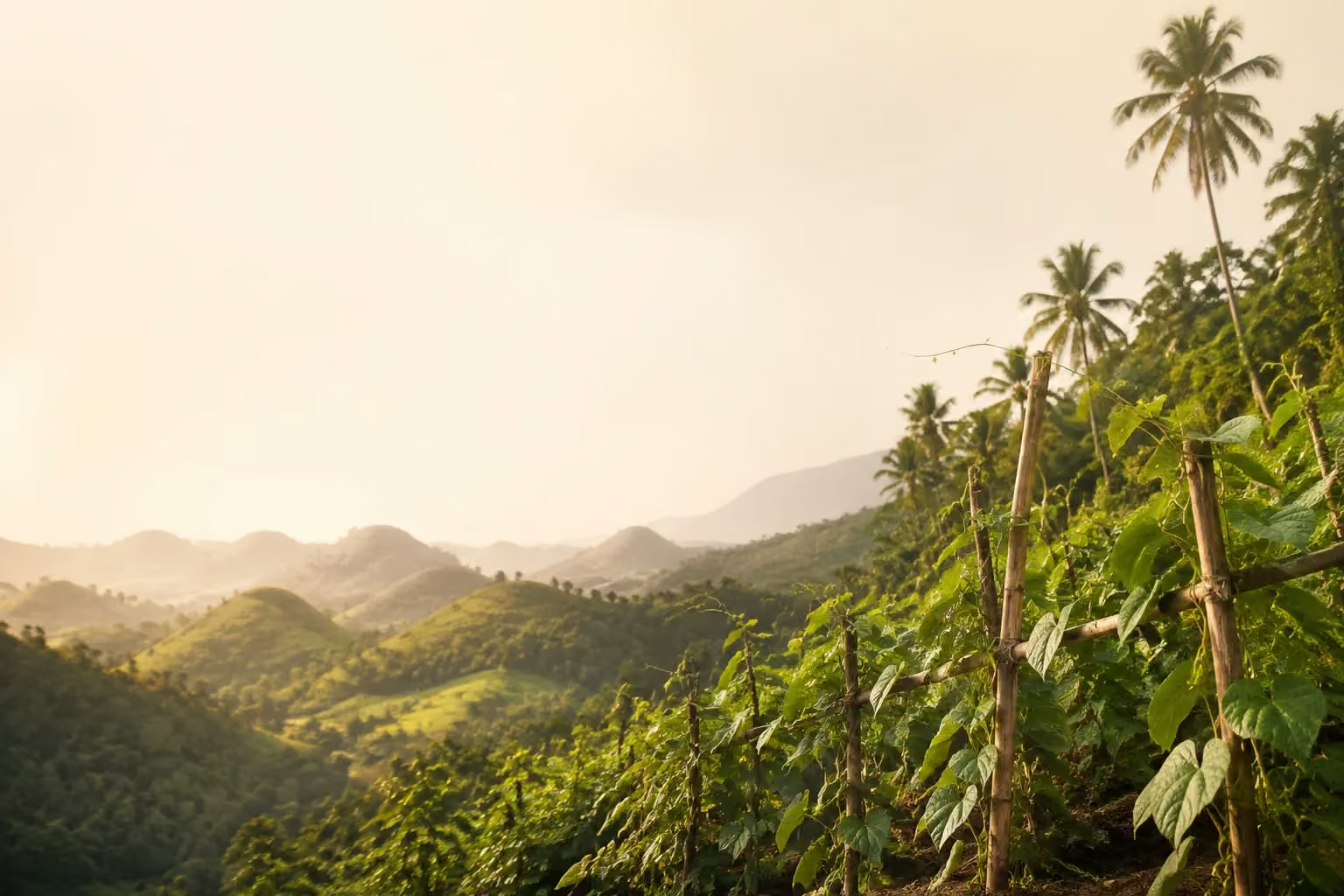
Kinampay is a named variety of ube grown in parts of the Philippines, closely associated with Bohol. A variety name is not a marketing label a seller can apply at will: it points to a specific cultivar within the species. The species itself, Dioscorea alata, covers many ube varieties beyond Kinampay, so confirming the species rules out unrelated crops but does not confirm which variety is actually in the bag.
- A named variety identifies a specific cultivar, distinct from a general commercial name.
- Dioscorea alata confirms the plant species, not the variety within it.
How to state the requirement in a sourcing brief
A professional brief names the variety, then asks the supplier to answer with specifics rather than a repeated claim. State what you need clearly enough that a vague reply becomes obvious.
- Name the variety and ask where the material was grown, not only where it was processed or packed.
- Ask what supports that origin: lot records, a grower declaration, or an independent test.
- Request the same detail for every recurring lot, not only the first sample.
What evidence can support a declared origin or variety
A supplier can offer several kinds of supporting material, though none of them alone settles the question beyond doubt. Compare what is actually produced against what was asked for, and treat a name without paperwork as an open question rather than a finished answer.
- Lot or batch traceability connecting the material to a growing region.
- A grower or cooperative declaration naming the variety and harvest area.
- An agronomic or laboratory analysis for the specific lot offered, where the supplier can provide one.
- For questions specific to protected names or varietal registration, the relevant Philippine authority is the appropriate reference, not a reseller's description.
What to do when origin cannot be substantiated
An unsupported claim is not automatically dishonest. It often just means the paperwork has not been requested yet. Ask directly, and use the sample stage to test the claim rather than the label.
- Request a sample and compare it against a second, later lot before committing volume.
- Ask the same question again if the answer only repeats the variety name without new detail.
- Decide whether the sourcing decision still works if the variety claim is later withdrawn or corrected.
Naming and origin questions worth knowing before you buy
A variety name, or a place name tied to it, can in some cases be the subject of a registered right, separate from any trademark a seller might hold. Bohol Ubi Kinampay is a live example: IPOPHL reported on 16 June 2026 that it had received an application for geographical indication registration for Bohol Ubi Kinampay, filed by the provincial government of Bohol. An application is not a granted registration, and the outcome was not public at the time of writing. Ask a supplier what status they are actually claiming, and check it with IPOPHL rather than assuming protection either way.
Where to go next
Variety is one part of a sourcing decision. Once the name is questioned rather than assumed, supplier type and documented capacity matter just as much. Our supplier-choice guide covers how to qualify the organisation behind the claim.
Sources & further reading.
- IPOPHL - Bohol Ubi Kinampay geographical indication application announced (16 June 2026)
- DOST-PCAARRD - Dioscorea alata crop profile
Editorial review: 7 September 2026.
Common questions.
Does the name Kinampay prove where an ingredient was grown?
No. The name identifies a claimed variety, not a verified growing location. Ask the supplier for evidence connecting the specific lot to a growing region before treating the claim as settled.
Is the Kinampay name legally protected?
That depends on the specific claim and its current registration status. IPOPHL is the competent authority for this question. Check directly with them, or with your own counsel, rather than assuming a status either way.
What if a supplier cannot provide evidence for a variety claim?
Ask for a sample, compare it against a second lot, and decide whether the ingredient still meets your specification without relying on the variety name alone.
Does confirming Dioscorea alata confirm the variety?
No. It confirms the species, which many ube varieties share, including Kinampay. It does not on its own confirm which variety is in a specific bag.